EN
EN

What Are Electronic Ear Tags for Cattle and How Do They Work?
Electronic ear tags for cattle have a direct effect on how quickly producers can process animals, how accurately health and weight records get captured, and whether movement documentation meets current federal requirements. If you're new to EID ear tags for cattle — or trying to understand what separates them from the visual plastic tags you're already using — this breakdown starts from the hardware and works outward to the practical farm applications.
What Are Electronic Ear Tags for Cattle?
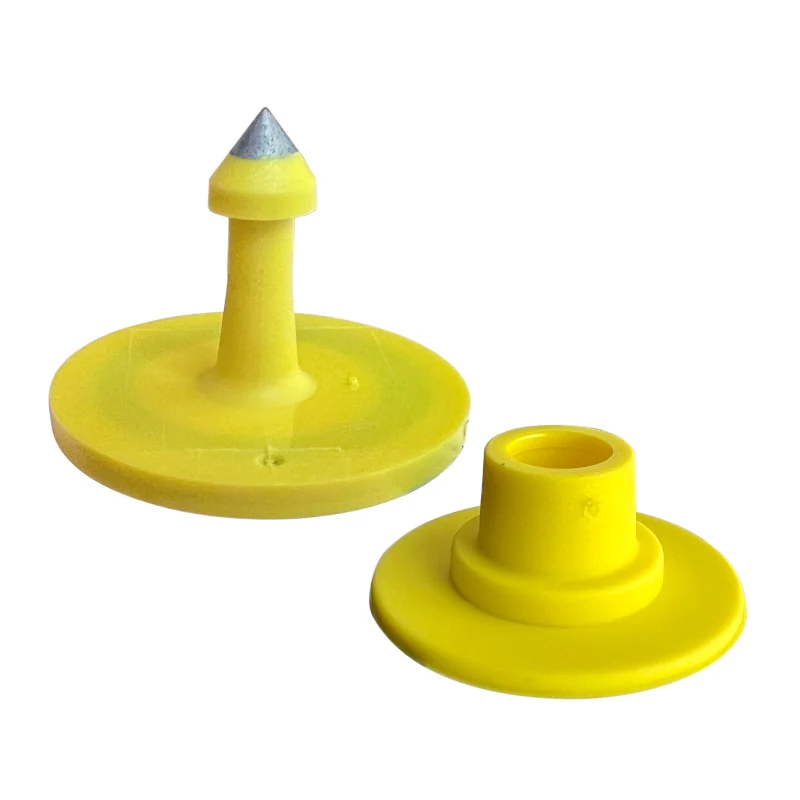
Electronic ear tags for cattle, also referred to as EID ear tags for cattle or RFID cattle tags, contain an embedded microchip and a loop antenna sealed inside a durable tag body. Unlike standard visual tags that require a farm worker to physically read a printed number, electronic ear tags transmit the animal's unique identification number to an RFID reader in under a second — automatically, without any manual input.
Each tag stores a unique 15-digit number formatted to ISO 11784/11785 standards. This number is printed on the tag's surface for visual backup and simultaneously stored on the internal chip for electronic reading. The combination of visual and electronic identification on a single tag is precisely what USDA APHIS now requires: as of November 2024, all official cattle identification tags applied for interstate movement must be both visually and electronically readable. If your cattle move across state lines or enter regulated market channels, RFID cattle tags are no longer optional for covered animals — confirm current requirements with your state veterinarian before purchasing.
Inside the Tag: How the FDX-B Chip and Antenna Work
The technology inside an electronic ear tag is simpler than it sounds. The chip is a passive RFID transponder — meaning it has no internal battery. It draws power from the electromagnetic field emitted by the reader at the moment of scanning. When a reader sends a radio frequency pulse, the tag's coil antenna absorbs that energy, powers the chip momentarily, and transmits the stored 15-digit number back to the reader.
The dominant chip standard for livestock ear tags is FDX-B (Full Duplex B), part of the ISO 11784/11785 protocol family. FDX-B allows simultaneous transmission and reception, shortening scan time compared to older HDX (Half Duplex) designs. For most cattle producers using a chute reader or handheld wand scanner, the practical result is near-instant individual animal identification without manual number entry.
RFID tags placed too close to the ear margin show higher loss rates across most brands and quality levels. Placement in the mid-ear region, away from the cartilage edge and the high-flex zone, affects tag retention as much as the tag specification itself.
LF 134.2kHz vs. UHF 860-960MHz: What the Difference Means in Practice
The frequency specification matters more than most buyers initially expect, and it has a direct effect on which reader hardware will work with the tags.
LF (Low Frequency) RFID operates at 134.2kHz. It's the global default for livestock ear tags, largely because it performs reliably in close-range, high-interference environments. An LF panel reader at a squeeze chute can scan individual RFID cattle tags at a read distance of up to approximately 50cm — sufficient for standard chute processing. LF signals are less affected by moisture, mud, and the animal's body, which is why most North American cattle operations and national traceability programs have standardized around LF FDX-B ear tags.
UHF (Ultra High Frequency) operates at 860-960MHz. UHF readers reach substantially longer distances — in some setups, several meters — and can read multiple tags simultaneously at higher throughput speeds. If your operation runs automated gate readers, high-volume feedlot processing, or integrated weighing systems where cattle walk through rather than stop at a chute, UHF electronic ear tags for cattle start to make operational sense.
The tradeoff between LF and UHF isn't just about upfront cost — it's really about whether your reader infrastructure and processing volume justify the difference. For a 300-head cow-calf operation running a manual chute twice a year, LF covers everything you need. For a feedlot processing 2,000+ head daily through automated gates, the UHF case gets considerably stronger.
How RFID Cattle Tags Are Scanned: Reader Types
Three reader types handle most cattle RFID scanning scenarios:
- Chute panel readers: Fixed panels mounted at squeeze chute height. The animal's ear passes near the panel as it's restrained. The most common entry point for EID adoption — reliable, low-cost, and compatible with standard LF FDX-B tags.
- Handheld wand readers: Portable scanners used for field spot-checks, veterinary procedures, or smaller group processing without a fixed chute. Read distance is shorter, but the flexibility is valuable.
- Walk-through gate readers: Positioned at drafting gates or weigh stations. Animals move through without stopping. Requires UHF tags for reliable scan rates at walking speed.
For operations running an established chute workflow with manual restraint, standard LF 134.2kHz electronic ear tags for cattle with a panel or wand reader typically cover everything. If you're building automated processing infrastructure, plan the tag frequency decision around your reader hardware first. Selecting tags before confirming reader compatibility is one of the most common first-order procurement mistakes in RFID cattle tag adoption.
Integration with Weighing Systems and Herd Management Software
Managing a herd of 300 head with visual tags alone worked fine until the data management load became the bottleneck — that's typically when producers start taking electronic identification seriously. The practical value isn't just faster scanning at the chute; it's automatic data capture that flows directly into weighing systems and farm software without manual transcription.
Most commercial weigh heads and chute scales connect to RFID readers via cable, Bluetooth, or integrated panel antenna. When a tagged animal steps onto the weigh platform, the reader captures the EID number and timestamps it alongside the weight reading — automatically. For a 500-head operation processing calves twice a year, that eliminates several hours of data entry per event and removes a significant source of transcription errors from your health and performance records.
On the software side, most herd management platforms and national traceability databases accept EID numbers in ISO 11784/11785 format. The 15-digit number stored on the FDX-B chip is the primary record anchor that links movement permits, health documentation, and market transactions together. Choosing electronic ear tags for cattle that store this number in FDX-B format ensures compatibility with the widest range of readers and software systems across North American markets.
Choosing the Right Electronic Ear Tag for Your Operation
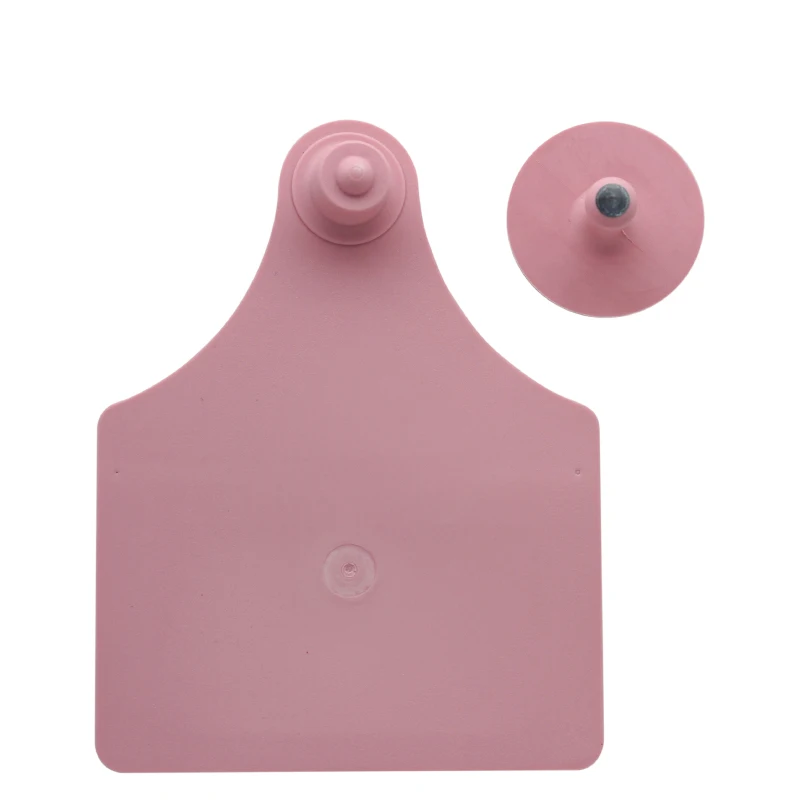
For producers evaluating RFID cattle tags for the first time, the practical decision typically comes down to three questions: Does your current reader infrastructure support LF or UHF? What format does your herd management software require for tag import? And are you subject to official identification program requirements that specify a particular tag standard?
If you're looking at UHF FDX-B options built for cattle identification, BLUEWORTH's UHF FDX-B 860–960MHz RFID Ear Tag combines long-range UHF scanning capability with the FDX-B chip standard used across most North American herd management systems. For operations running a complete identification system with TPU durability for outdoor cattle environments, the UHF RFID TPU Cow Tags identification system covers both electronic ID and physical durability demands.
Start with your reader hardware. Match the tag frequency to your existing infrastructure, verify compatibility with your herd software's data import format, and confirm any official identification program requirements specific to your state or province before placing an order.