EN
EN
Swine Ear Tags Explained: Choosing the Right Tag for Pig Farm Identification
The right swine ear tags choice affects more than record-keeping—it determines whether your identification system holds up from farrowing through market. Between round button styles, Yorkshire types, piglet sizes, adult formats, and 840 EID compliance requirements, there are more variables involved than the price tag suggests.
Before comparing prices, confirm which tag format, size, and compliance category your operation actually needs. This guide walks through the key decisions.
Round Button vs. Yorkshire Type: The Two Primary Swine Ear Tag Formats
Two formats dominate the swine ear tag market, and each serves a different operational purpose:
Round Button Swine Ear Tags
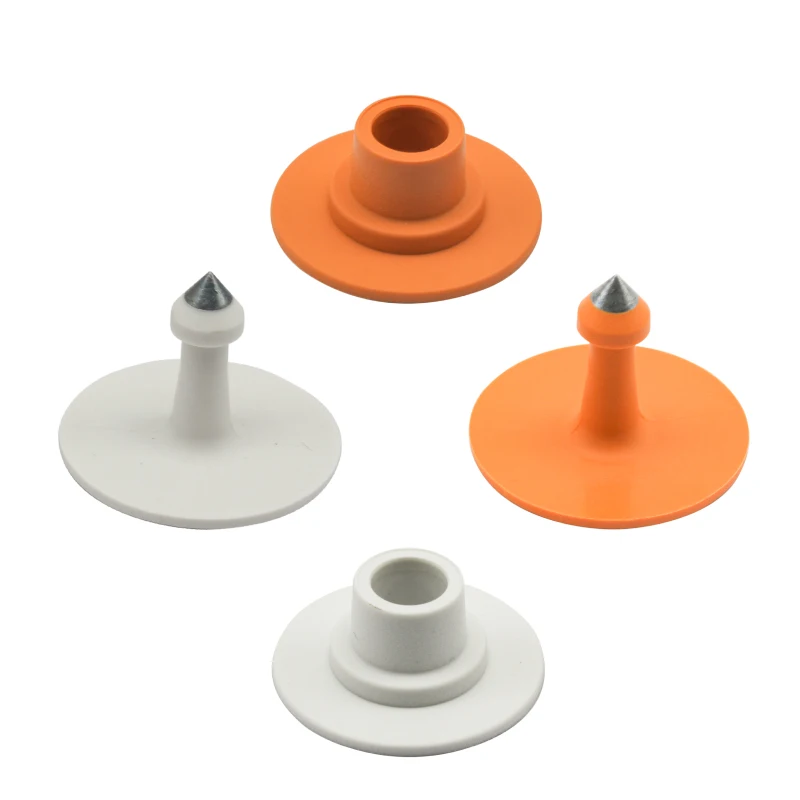
The round button format uses a compact circular design with a male pin and female socket locking mechanism. At 30×28mm, this is one of the most common piglet tag dimensions in use—compact enough for developing ear tissue while still providing a legible print area for farm ID numbers. The two-piece mechanism creates a secure lock that holds during the critical first weeks after tagging.
For operations that tag animals at or shortly after birth, round button swine ear tags are typically the right starting point. The smaller footprint reduces ear load stress on young tissue, which matters when tagging piglets under 20kg.
BLUEWORTH's 1#+7# Round Type Yorkshire Piglets Ear Tag (30×28mm, 10 colors) delivers this format with a 10-color option range and the compact 30×28mm panel—a practical choice for farms running color-coded herd management systems from birth.
Yorkshire Type Swine Ear Tags
The Yorkshire style features a larger panel with more print surface area. That expanded field makes it easier to display longer identification sequences, farm names, or compliance codes that don't fit on a compact round button. Yorkshire tags have traditionally been used in pedigree and breed registry programs where full traceability records require more information per tag.
For adult pigs, sows, and boars—where ear anatomy can carry a larger tag without welfare concerns—the Yorkshire format offers better readability at distance and more flexibility for custom printing.
Piglet Tags vs. Adult Pig Tags: Why Size Selection Matters More Than You Think
Tag size mismatches are one of the most preventable sources of early tag loss in swine operations. A tag sized for an adult applied to a newborn puts physical stress on developing tissue and increases the chance the tag works loose in the first few weeks.
The working guidelines by animal class:
- Piglets (under approximately 20kg): Use compact format tags—round button at 30×28mm or equivalent. Light pin construction reduces trauma at application. The BLUEWORTH 10#+7# Piglets Ear Tag Swine Tag (100 pcs bulk pack) is packaged specifically for operations handling high-volume piglet tagging events.
- Growing and adult pigs: Can support larger panel designs and heavier construction. A longer ID field supports the format requirements of most traceability programs.
- Sows and breeding stock: Tags will remain in place for multiple years; material durability and print longevity are the more important selection factors here.
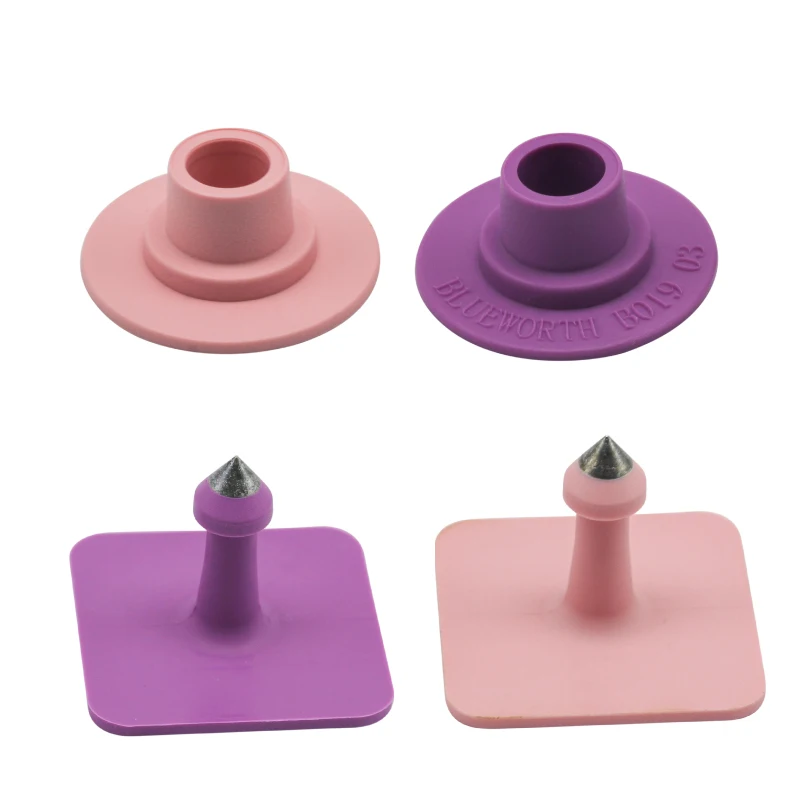
For continuous farrow-to-finish operations, a two-tag approach is increasingly common in US commercial programs: a small visual hog ear tag at birth for on-farm management, followed by an official 840 EID tag applied at weaning or before interstate movement.
The 10-Color System: More Than an Aesthetic Choice
For operations managing groups by cohort, vaccination status, or production cycle, a 10-color swine ear tag system adds a visible management layer that needs no additional equipment or record lookup at the pen:
- Year-of-birth rotation: A different color each year lets staff identify a pig's age class from across the pen without handling.
- Litter or group coding: Separate colors for different breeding groups or farrowing batches simplify sorting, movement, and health event tracking.
- Treatment flagging: A secondary tag in a designated color marks animals that received specific medication, supporting withdrawal period compliance at a glance.
If your operation runs a color-coding system—or plans to establish one—confirming color availability before placing a bulk order is a practical step. Mid-cycle color substitutions disrupt the visual system and introduce the kind of identification ambiguity that compounds through a full production cycle.
840 EID Compliance: What US Swine Producers Need to Know
Not all swine ear tags fill the same compliance role. Visual management tags and official USDA 840 EID tags are two distinct product categories:
Visual hog ear tags are used for on-farm identification, color-coded management systems, and internal record-keeping. They are not official USDA identification devices.
840 EID RFID tags are USDA-approved official identification devices. Each tag carries 15 digits beginning with "840" (the USA country code), with the remaining 12 digits unique to the individual animal. To order official 840 tags, producers must have a valid Premises Identification Number (PIN) linked to their physical location.
If your pigs are moving across state lines or entering national traceability programs, official identification requirements typically call for 840 EID-format tags—check with your state veterinarian and USDA APHIS before ordering. Both round button and Yorkshire tag formats are available in 840 EID-approved configurations; physical shape and style do not determine compliance status on their own.
Side-by-Side Comparison
| Factor | Round Button (30×28mm) | Yorkshire Type |
|---|---|---|
| Application | Piglets, compact ear size | Adult pigs, larger print area |
| Print area | Compact, standard ID | Larger, supports longer sequences |
| Ear load | Lower—suitable for young animals | Moderate—appropriate for adults |
| 840 EID availability | Available in approved configurations | Available in approved configurations |
| Color options | Up to 10 standard colors | Up to 10 standard colors |
Practical Selection Checklist
Before placing a swine ear tag order, confirm:
- Animal age at tagging: Determines the appropriate tag size—piglet vs. adult format.
- Compliance requirement: Do you need official USDA 840 EID tags for interstate movement, or visual management hog ear tags for on-farm use?
- Color system: If you run a color-coding protocol, confirm your required color is in stock before ordering.
- Applicator compatibility: Verify pin diameter and locking mechanism match your existing applicator tools before committing to a bulk order.
- Order volume: Bulk packaging (100 pcs per pack) reduces per-unit cost and handling time for high-volume tagging events.
Choosing the right swine ear tags is a traceability decision as much as a procurement one—it determines whether your identification records stay accurate through the animal's full production lifecycle. A mismatch between tag size and animal age, or between tag format and compliance requirement, generates re-tagging events and record gaps that are both avoidable and operationally costly.