EN
EN

One-Piece vs Two-Piece Tag Pliers: Which Tool Fits Your Workflow?
Choosing between one-piece and two-piece tag pliers is less about which tool looks stronger on a catalog page and more about how animals, tags, people, and records move through your operation. If you also use an rfid scanner device for individual-animal records, the tagging station needs to support a clean handoff from application to identification capture. A plier that suits a small calf-tagging session may slow a high-throughput chute day; a tool that works well with one tag format may not load another reliably.
The first decision is compatibility. Confirm the tag style, stud-and-panel geometry, applicator pin, and spare-part availability as one system. When an rfid scanner device is part of the workflow, also confirm whether staff can scan and confirm the number without interrupting safe animal restraint.
Start with the job, not the label “one-piece” or “two-piece”
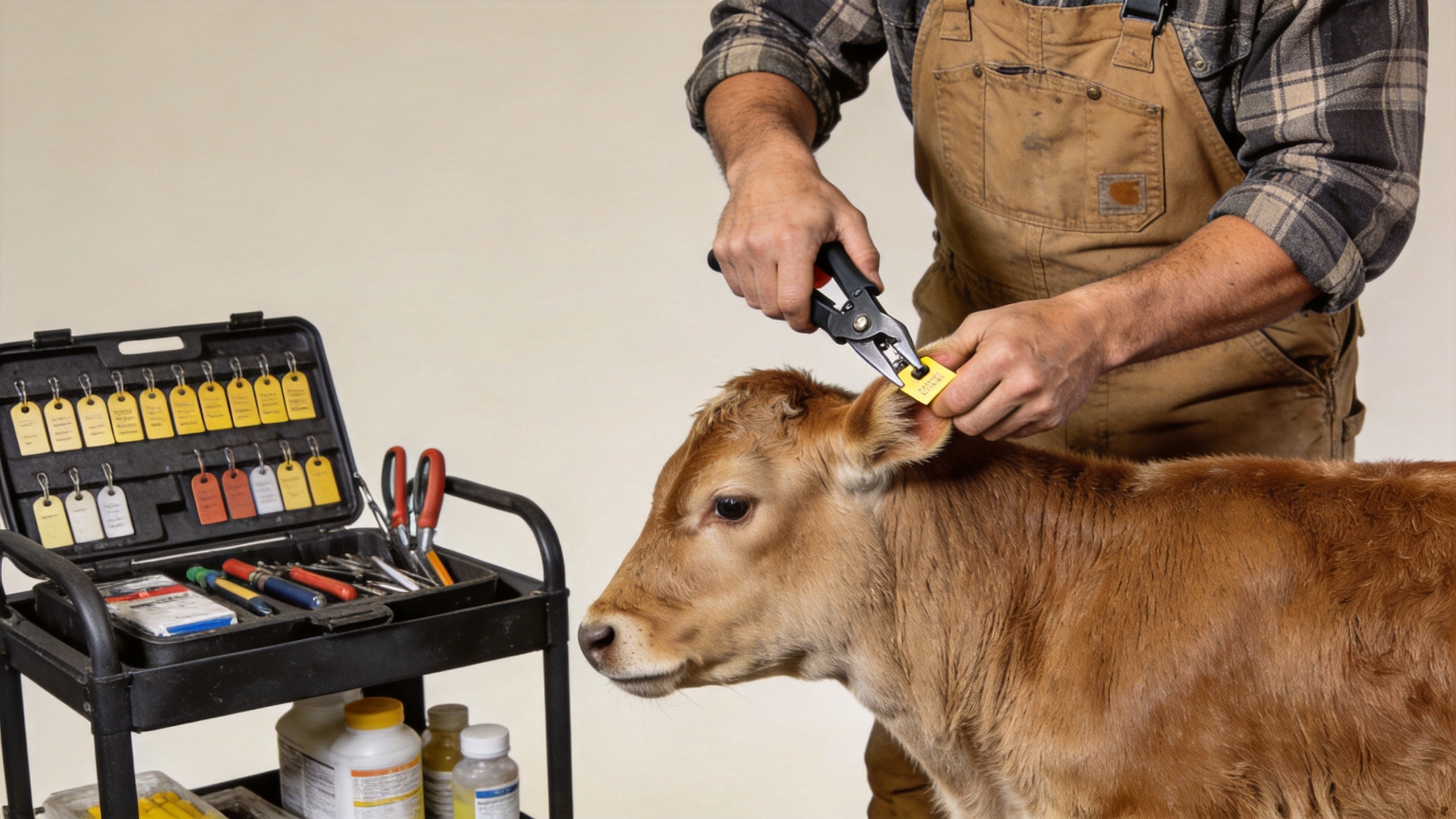
One-piece tags combine the fastening elements in one tag body and are normally used with a dedicated one-piece applicator format. They can simplify loading because there are fewer loose components to align. That can be useful when the same trained operator repeats one standard task many times. The limitation is that compatibility is still specific: do not assume a familiar plier will fit every one-piece tag. A short sample run before a herd-wide session is cheaper than discovering jams or distorted tags during processing.
Two-piece tags use a male and female component that lock together through the ear. Their pliers are designed to hold and align both parts before compression. This setup can take an extra moment to load, but it gives buyers more room to match panel size, visual readability, retention needs, and identification programs. For operations building a visual-plus-digital routine, a two-piece system can sit alongside an rfid scanner device when tag specifications and reader frequency requirements have been verified separately.
Compare the tools on workflow criteria
| Workflow criterion | One-piece tag pliers | Two-piece tag pliers |
|---|---|---|
| Loading routine | Often fewer loose elements; useful for a standardized tag format. | Requires correct male/female alignment before application. |
| Tag choice | Best when the operation has committed to a compatible one-piece tag range. | Useful when selecting from separate male/female components and panel options. |
| Training focus | Teach positioning, pressure, and compatible loading. | Teach component orientation, full lock engagement, and pin alignment. |
| Record workflow | Plan a clear pause for visual or electronic ID confirmation. | Plan the same pause; confirm the tag and rfid scanner device workflow independently. |
| Maintenance | Inspect pin condition, spring action, and tag seating. | Inspect pin condition, jaws, alignment, and component seating. |
The important point is that neither tool removes the need for a repeatable station layout. One person restrains and observes placement; another can stage tags, record identifiers, or operate an rfid scanner device. Where one person must do several tasks, reduce transitions: pre-sort tag sets, keep the plier within reach, and set the rfid scanner device where it can be used without rushing the application step.
When one-piece tag pliers are the practical fit
Choose a one-piece setup when your operation uses one confirmed tag format, workers need a straightforward loading routine, and the session is organized around speed with consistent restraint. It can be a sensible choice for smaller teams or recurring applications where the same tool-and-tag pairing has already been tested. The benefit is not automatically faster tagging; it is a simpler routine when the setup is stable.
Before committing, test the actual batch. Check that tags seat squarely, the pin is not worn, and the closure is complete. If your crew records electronic IDs, run a sample sequence: apply the tag, inspect placement, use the rfid scanner device, and verify that the captured record matches the animal. This catches layout problems before they become data-cleanup work.
When two-piece tag pliers are the practical fit
Two-piece pliers are often the better fit when tag choice is more varied, when the operation needs a visible panel plus a locking component, or when the team wants a deliberate verification step during application. They can support a more structured process for large batches, provided loaders know how each tag pair sits in the jaws. The extra setup is worthwhile if it reduces mismatched components and makes the final lock easier to inspect.
For an RFID-enabled program, remember that a tag plier is not an RFID reader. A two-piece applicator may apply an electronic tag physically, but the rfid scanner device must be compatible with the tag technology and your record system. Verify those requirements with the relevant supplier or program before ordering. Do not treat a successful application as proof of a successful scan.
Build a station that protects placement and data quality
- Confirm the tag-tool pairing. Compare the product specification, applicator head, pin, and replacement parts. For a current compatible option, review the Electric Ear Tag Applicator One-piece Tag Plier and confirm suitability for your tag design before purchase.
- Run a sample batch. Use the same tags, pliers, restraint conditions, and staff roles planned for the event.
- Separate application from confirmation. Inspect the lock and placement first; then scan with the rfid scanner device if electronic identification is used.
- Track early exceptions. Note failed closures, damaged stems, scan exceptions, and worn pins by batch and operator.
One thing that does not show up in a plier specification is how much placement consistency depends on restraint, training, and pace. A fast sequence that produces uncertain placement usually creates more rework later. A slower, repeatable sequence with an rfid scanner device check can be the more efficient choice once record correction and re-tagging are included.
A short decision checklist
- Use one-piece pliers if you have a proven one-piece tag format and want a simple, standardized loading process.
- Use two-piece pliers if component selection, locking verification, or broader tag-format flexibility is central to the job.
- Choose neither until you have confirmed tag-to-applicator compatibility with samples or supplier documentation.
- If using an rfid scanner device, verify tag frequency, read procedure, software handoff, and operator roles separately from the plier decision.
- For official identification or movement programs, confirm current local requirements with the appropriate authority before purchase.
Conclusion
The right tool is the plier that fits your confirmed tag design and lets the team apply, inspect, and record each ID without improvisation. One-piece pliers favor a stable, simplified format; two-piece pliers favor a more configurable component-and-lock workflow. If an rfid scanner device is part of your process, design the station around both physical application and reliable record capture. That is how the tool decision supports a cleaner livestock identification workflow rather than becoming another source of exceptions.